
Written by Aniya Chojar

In typical American fashion, we often aim to stand out in the crowd. We want to be unique, with true distinction from those around us, and pride ourselves with self-sufficiency. A lot of us have done deep dives into our personal psyches, discerning which internal traits combine to create our whole self—we might pride ourselves in being kind, ambitious, smart, and recognize our tendencies to be lazy, or bored. This focus on who we are as individuals is a symptom of the greater cultural fabric we are woven into, one that places great value on the individualism of each member of society. But if I were to ask my mother, who grew up with a more collectivist culture in India, she might describe herself in terms of her relationships with others. Instead of the deep dive into her internal traits, she might hold more value in the way her person fits into the interconnected web of society and how she adds to the environment she is a part of.
The difference between individualistic and collectivist societies goes beyond the way that members describe themselves. In the psychology courses I have taken, we dive into these distinctions on a broad academic level, and as an American daughter to Indian parents, I heard about the societal differences through varying continuations of the “When I was growing up…” stories. But it was hard to wrap my head around what it really meant to have those community values as pillars for societal structures, and I didn’t have a clear picture in my head of what that looked like. That is, until our experiential learning trip to Kenya, in which I saw community interconnectedness as a central theme in the social fabric. It was clear that locals placed great value in their ability to be a productive member of society, had strong connections to their peers and leaders, and were grounded in their traditional beliefs, woven into the community structure.
The importance of being valuable to one’s community was abundantly clear as we dove into the mechanisms of the SACCO Project for Health and Wellness. Using the existing infrastructure within the transportation sector, the SACCO Project utilizes Boda Boda riders (local motorbike transporters) as a new source of information and education for the broader community that they reach. These riders are trained in the realm of HIV prevention and care, gender-based violence (GBV), and mental health, after which they are coined as “Champions”.
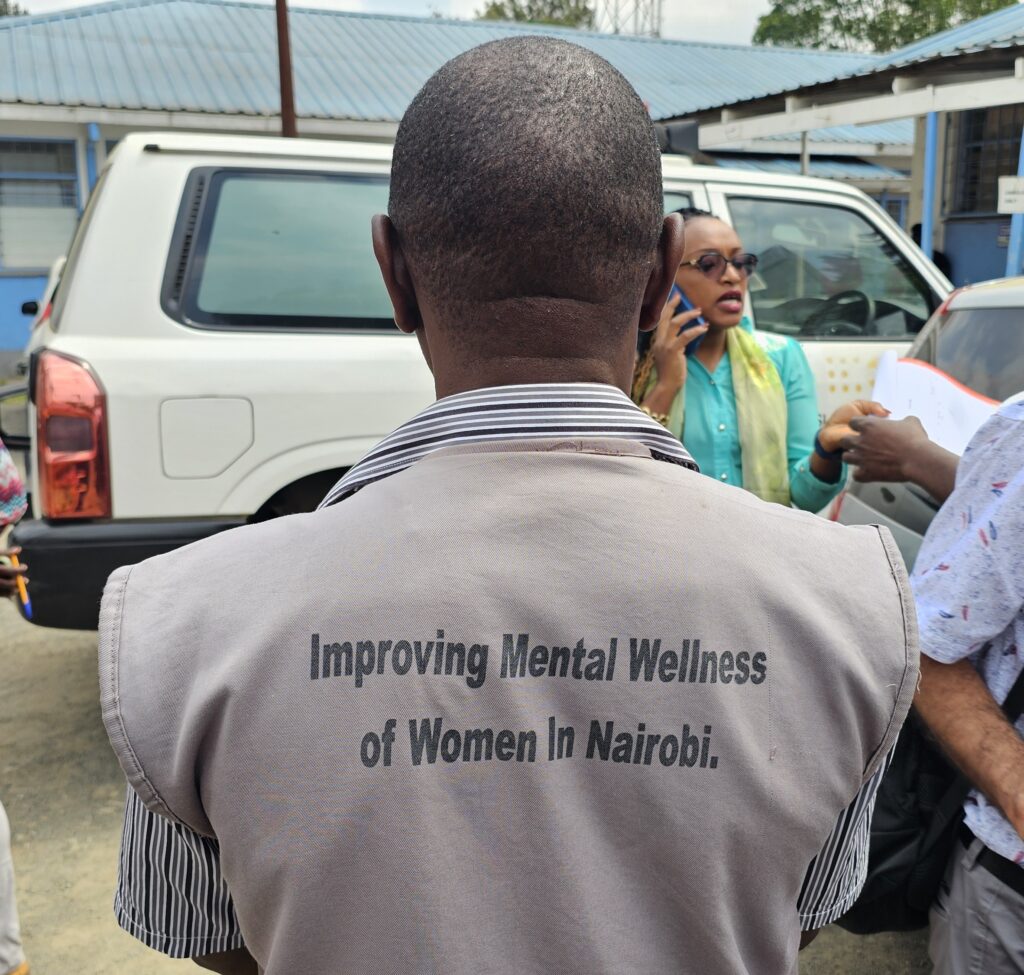
In preparation for our meeting with the Champions, we were told by the HealthRight Kenya staff that they were previously known to be the perpetrators of the issues they now preach solutions to. Boda Boda riders as a group had been seen as rather one-dimensional—they were menaces on the road and in private, said to be engaging in risky sexual behaviors and violence. With such an image of being menaces to society, in true collectivist fashion, they began to internalize the view of their community and the behaviors they believed was the norm for their group. By training thesemen about health practices in the issue posed, the hope was to reach more men in health education, specifically the believed perpetrators of GBV and HIV. And as a result, the Boda Boda riders were lifted in terms of their value in society, thus lifting their own self-esteem and spirits.
As we visited Trans-Nzoia County to meet and exchange dialogue with the riders themselves, their pride was evident. They stood with their heads held high as they introduced themselves as Champions, and their eyes lit up speaking about their personal experiences helping their community. Now, rather than internalizing and projecting the bad behaviors expected of them, they hold each other accountable with the training they have been given, and use their knowledge to identify and help those who may be struggling.
Sustainability of this project is achieved in two ways. Firstly, the SACCO model for transportation is already integrated in the community, so modifying that structure in a way that will improve health outcomes will be sustained as long as the infrastructure lives. Secondly, and what I believe to be vitally important, the Boda Boda riders have been instilled with a sense of purpose and pride from the project, recognizing themselves as valuable to their community. So while the project will end, the Champions will keep knowing themselves as Champions, sustaining their actions to sustain their role in society. In this way, we have recognized the ways in which community values—in this case, the importance of being a productive member of society—can be utilized to increase the success of intervention implementation and sustainability.
In addition to creating respected members of society, it is important to implement interventions that include those already established as important members of the community. If we were to try and implement an intervention as foreign strangers, it would seem nothing more than an imperialist imposition of American ideas. But, keeping in mind the strong interconnectedness of a collectivist society, leaders in the community are admired and respected, thus having a powerful influence. By communicating the intent of planned interventions with these respected community members and including them in the implementation process, community engagement is all but guaranteed.
A prime example of this presented itself in our interactions with Community Health Promoters (CHPs). These individuals are the first point of contact for the greater healthcare system, as they act as an advocate for healthy behaviors and a reference for further care for the one hundred households they serve. Coming from such an individualistic culture in New York City, we had so many questions for the CHPs about how they were able to gain the trust of the families they work with. Isn’t there an issue of privacy? Don’t they feel uncomfortable sharing, since they knew you as a member of the community? The answer, actually, was no. They felt more comfortable sharing because of that. Of course, there is some building of trust that was needed, but for the most part, there was no real issue of privacy. This stood out to me. Because from the lens of an American, I couldn’t imagine privacy not being an issue. But I remembered the buzzwords from my psychology classes and the stories of “when I was growing up…” from my parents, saying that Western societies like the one we live in value self-sufficiency and privacy above connectedness and collective cooperation. So while the structure of CHPs as the first point of contact for healthcare would not work as well in the American context, it was hugely successful in Kenya for improving primary care and, notably, in reducing stigma and shame around taboo topics. The CHPs mentioned that once trust is established, they are able to start conversations within families about those topics, especially those surrounding safe sex practices, gender-based violence, and mental health struggles. Most recently, they have begun to include advocacy for HPV vaccinations in young girls, increasing the prevalence of the vaccine to 50% in girls 10 to 14. In an environment that holds so much importance in societal norms, stigma around issues like these has inevitably been present, and these CHPs play a vital role in reducing some of that.
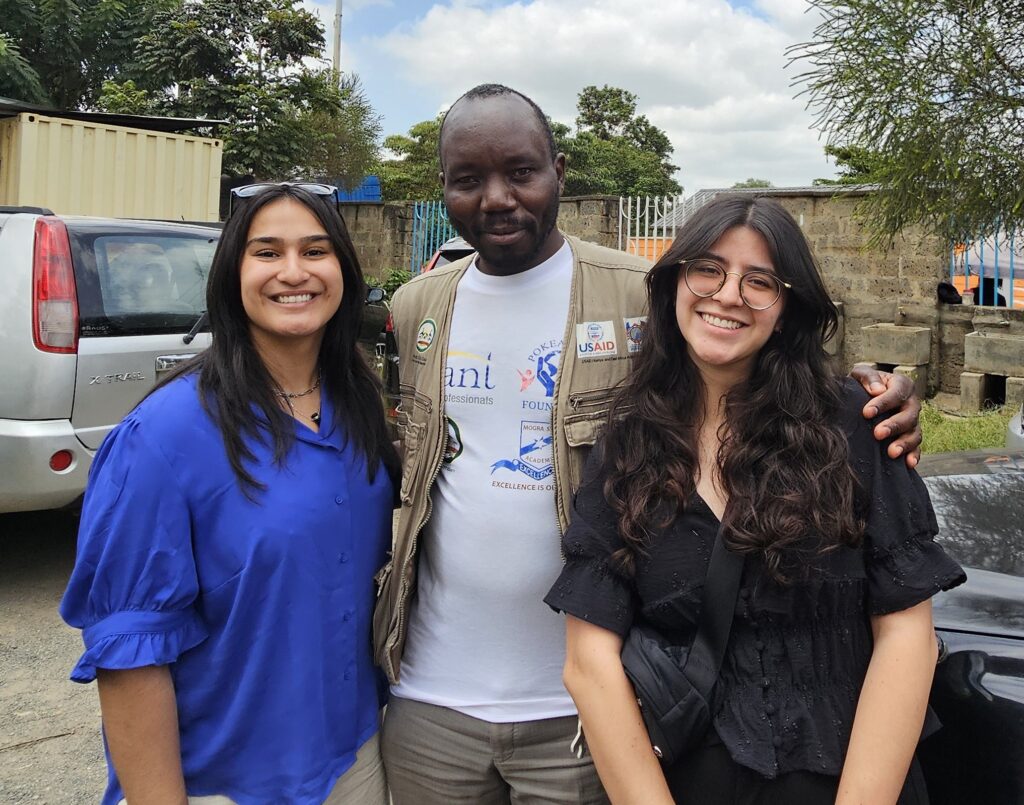
We were also able to see the CHPs directly interact with perinatal mothers living in informal settlements, who struggled to manage their mental health. This was a part of a Maternal Mental Health Project funded by Comic Relief, in which mothers from these settlements are referred to support groups focusing on strategies to improve their mental well-being and solutions to presing life issues. As I ventured through the informal settlement under the wing of Dennis, my assigned CHP for the morning, I saw just how many people stopped to greet him. We were just going to see one of the mothers Dennis had helped, but on that walk to her home, we saw the vast network of community members who had a connection to Dennis. Even as we sat with the mothers, talking to them about their experience with the mental health intervention Dennis had referred them to, he was still attending to the numerous calls he received in our twenty-or-so minutes with each mom. We could see the comfort these mothers felt with Dennis, even those that were victims of violence perpetrated by men. They knew that hewas still a man they could rely on and reach out to, even after their participation in the intervention had ended. That was a kind of sustainability that proved to be truly genuine.
As highlighted through the experiences on the trip to Kenya, being aware of and utilizing the different cultural values is vitally important to sustainability of interventions. Without recognition of the importance of societal roles, we would be lacking in even beginning the implementation of these projects. But as we take into consideration the community structures in place, widespread respect for community leaders, and a tendency to maintain relationships once they have been made, we can establish the continuance of projects even after NGO or donor funding has ended, because they are intricately woven into the community structures and values.
