We hope you enjoy this historical exploration, may it inspire you to stand up for human rights in whichever way you can.
HealthRight’s Response to COVID-19
This year, HealthRight continued to work tirelessly to provide access to health and human rights services to marginalized communities in spite (and because) of the COVID-19 pandemic that impacted virtually all aspects of our lives.
HealthRight moved most operations online in response to stay-at-home orders and restructured programs so that services could be provided safely, including the formation of a COVID task force to ensure staff in all countries of operation were well-informed regarding their country’s situation. Earlier in the year, HealthRight partnered with Project CURE to provide ICU beds in Elgeyo-Marakwet County, Kenya. In Ukraine, mobile teams began providing psychosocial services remotely through phone or video call, with the exception of emergency visits. Our Delivering Equitable and Sustainable Increases in Family Planning (DESIP) project in Kenya trained community health volunteers on preventing COVID transmission, distributed PPE to patients, and implemented remote counseling and follow-up through SMS and WhatsApp where possible.
The pandemic has proven that public health services, like those for mental health and gender-based violence, continue to be overlooked and under-resourced, proving the need for building a stronger capacity for these services that can withstand unique situations like these. In the words of Executive Director Peter Navario, “This pandemic moment underscores why HealthRight’s work of strengthening health systems is so important, and how ensuring public health is foundational to economic development and security.”
Since its founding, HealthRight has served communities around the world with the purpose of making health a human right. Thank you for celebrating 30 years of serving marginalized populations with us!


Maternal Mental Health in Uganda
In 2019, we were able to share the stories of our community-based maternal mental health project in Uganda, through a video funded by Dining For Women. Watch the video here: https://youtu.be/gqBNMESSmWY
In Uganda and globally, high rates of depression, anxiety and other common mental illnesses put pregnancies at risk for complications and young mothers at risk for suicide. Mental health concerns carry risk for pre-term birth, low birth weight, malnutrition, disease, and missed immunizations – and suboptimal child development. Depressed women are less likely to breastfeed: a child who is breastfed is 14 times less likely to die in the first six months than a non-breastfed child. Breastfeeding drastically reduces deaths from acute respiratory infection and diarrhea – two major child killers.
Our Peter C. Alderman Program for Global Mental Health is implementing a ground-breaking project since 2015 to strengthen mental health among pregnant women and their children. The project is focused in two districts – both post-conflict areas and one also a refugee resettlement area.
By using a step-by-step approach involving community health workers, specialized clinicians are freed up to deal with the most difficult cases and bring recovery to more and more patients. The project uses the simplest, lowest-cost solution first, determines if it has worked, and then offers more treatment if required. The project was developed by engaging in community consultations to determine local needs and responding with evidence-based solutions, in this case, a first round of basic couples education and information and Group Interpersonal Therapy.
Since the project began, we have trained and mentored 29 village health workers and 22 primary healthcare workers in implementing the stepped care model. With the help of these partners, we have screened over 16,000 mothers for depression and enrolled about 25% into psychosocial care.
Monica, one of many mothers who participated in the program, explained, “[The program] has helped me positively change my outlooks about life. It made me regain hope for the future.”
Merger with the Peter C. Alderman Foundation
On April 23, 2018, HealthRight announced its merger with the Peter C. Alderman Foundation (PCAF) – an organization founded by Liz and Steve Alderman to honor the life of their son Peter who was murdered on September 11, 2001. Since 2003, PCAF has worked with communities devastated by violence and armed conflict to strengthen mental health, recovery and resilience through transformative, community-based mental health and psychosocial programs.
The union of the organizations created the new Peter C. Alderman Program for Global Mental Health (PCAP), making HealthRight one of very few global health non-governmental organizations with the ability to deliver integrated health solutions that address mental health for the most vulnerable populations. The merger enabled HealthRight to draw from PCAF’s experience and expertise in global mental health to provide holistic health programming to marginalized communities around the world. The union also added a country office in Uganda to HealthRight’s team.
While mergers like these are exceedingly rare in the nonprofit sector, it was an obvious decision for HealthRight and PCAF. “[PCAF is] a perfect cultural fit in terms of our shared focus on improving the health of the most vulnerable populations through community-driven solutions,” said Peter Navario, Executive Director of HealthRight. Liz and Steve Alderman agreed, “Merging with HealthRight will allow us to deliver our evidence-based model of care more efficiently and effectively to more people for many years to come.”
PCAP remains active today, integrating mental health solutions across HealthRight’s programs.


LGBT Health in Kenya
In Kenya, homosexuality is highly stigmatized. Men who have sex with men (MSM) are often unable to receive adequate or unprejudiced healthcare, resulting in the spread of HIV and other STIs. Although many MSM know the risk factors for spreading HIV and STIs, they are often unable to access the healthcare resources they need to stay safe and healthy. And while most healthcare workers do not let the stigma against homosexuality hinder their work, many receive little to no training on the specific healthcare needs of MSM.
As a result, men who are sex workers (MSWs) in Kenya continue to experience high HIV incidence and the highest HIV prevalence of any population group in the country.
In 2017, HealthRight began a program providing MSWs in coastal Kenya with a daily regimen of oral Pre-Exposure Prophylaxis (PrEP) – medication taken by HIV-negative people to prevent infection. Through our local partner Amkeni Malindi, this first-of-its-kind demonstration project explored the effectiveness of PrEP to prevent HIV infections in uninfected MSW. HealthRight’s goal was to improve access to health services for MSM in Kenya, acknowledging the gap in services.
Reaching this highly marginalized population with comprehensive prevention, care, and treatment services is not only critical for reducing HIV incidence among MSM and MSWs, but ultimately for reducing incidence among the general population as well.
TeacherCorps in Nepal
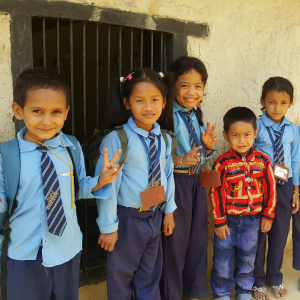
In 2016, Nepal was experiencing high levels of mental health problems and violence against children, with limited strategies to address the issues at a population level.
In response, HealthRight launched a community needs assessment with local NGO Sakriya Sewa Samaj, which led to the implementation of TeacherCorps – a school-based intervention to promote safe and nurturing environments for children at school and at home. TeacherCorps, co-developed by NYU School of Medicine, provided professional development for teachers and encouraged outreach to students’ parents. After receiving a 4-5 day training and 8-10 coach sessions, teachers would serve as mental health promoters at schools and work to reduce violent practices against children. Overall, TeacherCorps was successfully implemented in 30 schools through almost 200 teachers.
By its end in 2018, TeacherCorps increased participating teachers’ knowledge of child development and symptoms of violence, reducing violence against children at schools, as well as significantly reducing stress in teachers and school staff. Students showed more positive social and emotional behaviors, as well as improvements in cognitive function and school attendance. Additionally, there was a significant increase in positive parenting practices and reduction in parent violence.
Community-based family planning in Kenya
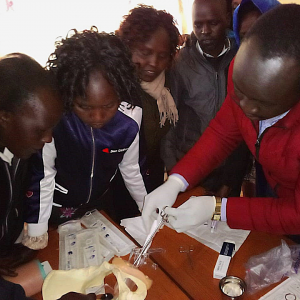
In 2015, HealthRight was one year into integrating a Community Based Family Planning (CBFP) project into its Partnership for Maternal and Neonatal Health Plus project in Elgeyo Marakwet, Kenya. This project, supported by Advancing Partners and Communities, aimed to improve the quality of and increase access to family planning services at both the community and facility levels. On a larger scale, HealthRight also hoped to increase the knowledge and acceptance of family planning services, including through a social and policy perspective.
The need for family planning services in Kenya’s Rift Valley at the time was dire. In 2014, children made up over half of the region’s population, yet contraceptive use was much lower than the national average at 43.6%. HealthRight intended to improve family planning uptake at nine health facilities and the community through training, supervision, and service delivery via community health volunteers (CHVs). HealthRight even developed a mobile supported platform for monitoring and redistributing health commodities called Mobile Inventory Management System (MIMS).
Henry Kandagor, a sub-county Public Health Nurse and Reproductive Health Coordinator at Marakwet West, was responsible for supervising nursing suctions in his sub-county. “The training of CHV’s on CBFP has equipped them with the knowledge and skills on provision of FP methods and led to improved accessibility of [contraceptives] for clients,” he said.
From 2014 to 2016, HealthRight trained 496 CHVs to become community-based distributors (CBDs) of family planning methods. CHVs visited 123,425 households to provide information on family planning and contraceptive services. Hundreds of injectible contraceptives were administered both in facilities and during household visits.
Ukraine Drop-in Center
In 2014, HealthRight continued to provide services for mothers and youth, including those that are HIV-positive, in Ukraine.
Pictured are Tania and her two-year old son who live in her mother’s apartment in Kiev. Tania’s relationship with her mother is difficult and eventually led to her leaving home. By June 2014, Tania was struggling with finances and life on the streets. Her lack of a positive family life made her feel so unequipped to raise her son, to the point where she almost abandoned him.
A friend of hers recommended she visit a HealthRight drop-in center, where she could get assistance. After arriving, Tania was able to get the guidance she needed to improve her care for her son and his needs. The drop-in center staff helped her find a job and become more independent. After rebuilding her relationship with her mother, Tania moved back in while she started working until she was able to save up enough money to move out into a new home. Because of the drop-in center’s resources, Tania was able to become more independent and the gain confidence in herself that she needed to take care of herself and her son.


Maternal and Neonatal Near Miss Reviews in Nepal
In 2013 HealthRight concluded a series of maternal and neonatal near miss reviews (MNNR) in selected areas of Nepal’s Arghakhanchi district. MNNRs study cases where maternal or neonatal death was narrowly avoided and use the lessons learned to prevent similar situations in the future. In rural Nepal, MNNR is a low-resource, high-impact strategy to improve maternal and newborn care.
We piloted these reviews to document and strengthen maternal and neonatal care in Nepal’s health system and reduce preventable maternal and neonatal deaths due to pregnancy complications. The project involved training maternal health practitioners, such as female Community Health Volunteers, Health Facility Operation and Management Committees, to participate in near miss reviews, which allowed critical data gathering that could guide health officials in understanding the causes of maternal and neonatal near-miss deaths.
Sapara Rana, pictured, is a mother who went into labor at the Khana community health post. She delivered a healthy baby girl, but suffered from postpartum hemorrhage, a global leading cause of death during pregnancy. Because the health post was not equipped to handle this condition, Sapara was rushed to an emergency care hospital 200 kilometers away. The post’s preparedness and quick actions in this emergency allowed Sapara to recover and return home to her older son and her newborn daughter. Experiences like Sapara’s are reviewed in MNNRs to help identify ways to improve the quality of maternal health care.
In 2014, HealthRight launched a two-year study supported by the World Health Organization Implementation Research Platform to assess the feasibility of implementation and the scale-up of MNNRs in Nepal. Overall, the MNNR process was instrumental to improving maternal and neonatal quality of care in the Arghakhanchi district.
Maternity Waiting Homes in Kenya
From 2006-2010 HealthRight was improving health outcomes for mothers and babies in Kenya through a project called Partnership for Maternal and Neonatal Health. At the time, high maternal mortality rates in rural Kenya were associated with the common practice of delivering children at home without receiving professional antenatal care. Even though many women knew the risks of this practice, they often faced barriers that prevented them from seeking professional help, such as travel distance to antenatal clinics and the amount of money and time these trips required.
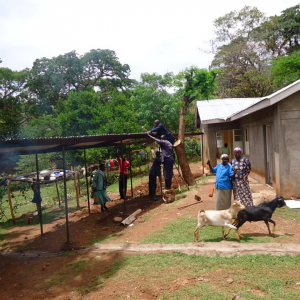
In response, HealthRight worked with three facilities in West Pokot County to construct Maternity Waiting Homes called “kirors.” These kirors could accommodate mothers for free in a location close to a health center, where health workers could easily provide antenatal care and monitor the women as they awaited labor. The kirors were built at Ortum Mission Hospital, Kapenguria district hospital (pictured) and Kabichbich Health Centre. At any one time, each kiror could accommodate about 20 pregnant women.
On February 29, 2012, the residents and staff at the Kapenguria District Hospital held a dance and ululation to celebrate the opening of the 3rd kiror. Attendees included the District Commission, the Minister of Health and staff, local NGOs, village chiefs, community health workers and members, along with HealthRight staff.
Utilizing the opportunity, HealthRight distributed insecticide-treated nets to pregnant women and households with children under five at the event. Jennifer Olsen, Director of HealthRight’s African Program at the time, urged community members to take advantage of the kiror and work together to maintain it, so that it could provide services and assistance for a long time. The District Minister of Health thanked HealthRight staff for their work and affirmed the government’s commitment to supporting HealthRight’s activities in West Pokot.

Liz and Steve Alderman are awarded the Presidential Citizens Medal
On October 20, 2011 at the White House, Liz and Steve Alderman were awarded the Presidential Citizens Medal, the second highest civilian honor in the nation, for their amazing work with the Peter C Alderman Foundation. Liz and Steve, along with 11 other recipients, were chosen by President Barack Obama from almost 6,000 public nominations for people who carried out exemplary deeds of service outside of their regular jobs.
When announcing the award, President Obama said: “This year’s recipients of the Citizen Medal come from different backgrounds, but they share a commitment to a cause greater than themselves. They exemplify the best of what it means to be an American, and I am honored to be able to offer them a small token of our appreciation.
The Peter C. Alderman Foundation, founded in 2003, served victims of terrorism and violence around the world, including countries like Uganda, Rwanda, and Cambodia. In 2018, the Foundation merged with HealthRight International to form the Peter C. Alderman Program for Global Mental Health, allowing HealthRight to integrate lifesaving mental health interventions into our programs.
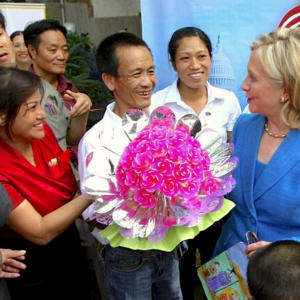
Hillary Clinton visits HealthRight in Vietnam
On July 22, 2010, then-U.S. Secretary of State Hillary Clinton visited the Smile of the Sun Center, a community center established by HealthRight and partners, for the signing of the U.S.-Vietnam Partnership Framework. In 2010, Vietnam was facing a growing HIV epidemic with an added strain of stigma and discrimination, preventing people living with HIV from receiving adequate care. This, coupled with systemic financial struggles among families, led to negative outcomes for children with HIV who often faced discrimination in school settings and were unable to prevail against the burden of their health and social situation.
“What we see here is the kind of comprehensive response that this disease demands,” Secretary Clinton said during her visit.
The Smile of the Sun Center was created by HealthRight International, the Ha Noi Women’s Union, Bright Futures Network, and Ngoc Lam Pagoda. As a community center, it provided support and advocacy for children and families living with HIV/AIDS. The two Smile of the Sun Center locations in Hanoi offered services including counseling, tutoring, meal distribution, and referral to support services. Efforts like this, which advocate for equal access to health services and reduction of stigma faced by people with HIV, were critical in ending the epidemic.
The Partnership Framework outlined a five year joint strategic framework for cooperation between the U.S. Government, the Vietnamese Government and other partners to combat HIV/AIDS through service delivery, policy reforms and coordinated financial commitments. The U.S. Government’s commitment to help Vietnam develop and fund solutions to the HIV epidemic through the Partnership Framework was important in the fight against HIV.

DOW becomes HealthRight
“Health and human rights are inextricably linked” – Dr. Jonathan Mann
On February 23, 2009, Doctors of the World-USA changed its name to HealthRight International, a name that embodies the principles on which we were founded: that health is a human right, and that health and human rights are inextricably linked. The new name is closely linked to our founder, Dr. Jonathan Mann, often called the father of health and human rights. In addition, the name represents HealthRight’s commitment to promoting human rights in communities around the world.
“The connection between health and human rights has always been central to our work, and is now clearly reflected in our name,” said Tom Dougherty, HealthRight’s Executive Director in 2009. “Our name and logo have changed, but our mission, priorities and programs remain focusedon the same core values – creating lasting change that supports access to health while strengthening human rights.”
Dr. Rachel Lee
HealthRight’s Human Rights Clinic (HRC) recruits, trains, and deploys a network of volunteer physicians and mental health professionals who provide forensic evaluations, translating scars and symptoms into pivotal evidence for immigrants seeking asylum and other relief in the United States. One such clinician is Dr. Rachel Lee, pictured, a psychologist who first began volunteering with the HRC in 2007.
Following 9/11, Dr. Lee was disturbed by the US government’s use of torture at Guantanamo Bay and other detention sites. When she learned that psychologists had played a role in torturing prisoners at these sites, she was appalled that the American Psychological Association (APA) did not condemn this work. She withdrew her membership from the APA and joined a group of psychologists that organized to protest their inaction. Motivated to fight for the human rights of victims of torture, Dr. Lee reached out to HealthRight International to volunteer at the HRC.
Since joining, Dr. Lee has used her passion and clinical skills to assist approximately 60 asylum seekers and other vulnerable immigrants to achieve safety and stability. Over the last 30 years, the HRC has trained over 1,500 clinicians and assisted over 6,000 survivors of torture and other human rights abuses from 140 countries.

MAMA+ Ukraine
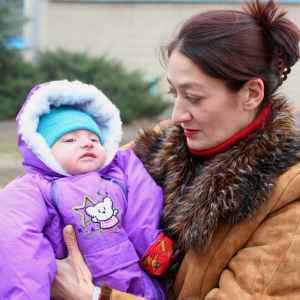
By the late 2000s, as the primary mode of transmitting HIV shifted from injection drug use to sexual transmission, the HIV epidemic in Ukraine was spreading from marginalized populations, such as injection drug users and people in prisons, to the general population. With an estimated adult prevalence of 1.4%, it was one of the worst affected countries in Europe. Over 120,000 HIV+ women of reproductive age faced discrimination and stigma, fueled by a lack of information and health services. Tragically, almost one in five children born to HIV+ mothers in Ukraine were abandoned by, or separated from their mothers. For those who could stay together, the challenges of raising a child while living with HIV resulted in tremendous stress on the mothers and families.
In 2007, HealthRight was one year into a new program called the Prevention of Abandonment of Children Born to HIV+ Mothers Project (MAMA+). The MAMA+ program aimed at providing psychosocial and medical support to HIV+ mothers and their families. To start, HealthRight established local partnerships with maternity hospitals, AIDS centers, and the All-Ukrainian Network of People Living with HIV/AIDS. HealthRight called on the staff from the MAMA+ program that had already been established in St.Petersburg, Russia, to train staff in Ukraine. In 2006, they provided counseling and screening to 455 HIV+ women and enrolled 15 women in supportive services. HealthRight also established peer support groups to empower HIV+ women and their families. As a whole, the program was structured to not only help families directly but support the development of local systems and increase the capacity of local organizations.
Galena, pictured, lives in Donetsk, Ukraine, and was six months pregnant when she found out she was HIV+. Her baby’s father left her upon discovering her status and her HIV treatment forced her to quit her job. After being referred to the MAMA+ project, she began counseling on living with HIV and staff assisted her with building a plan to help her address the challenges of raising a child. MAMA+ staff were able to support her in every step of the way, from accompanying her home after giving birth, to visiting weekly and providing necessities like formula and hygienic items, to helping renovate her son’s room so that it was fit for a child. In addition, Galena and her child’s father started attending a MAMA+ peer group, where they were able to find comfort in the shared experiences and rekindle their relationship to raise their child together.
The activities developed by MAMA+ continued and grew over the years, helping thousands of vulnerable women and girls find stability, inspiring and enabling mothers to lead the life they want.
Sri Lanka
On December 26, 2004, a devastating tsunami struck parts of South Asia and East Africa. Sri Lanka suffered over 1,000 deaths and more than 500,000 people were displaced. After the initial disaster relief efforts subsided, HealthRight began its operations in partnershp with the Sri Lankan Ministry of Healthcare, Nutrition, and Uwa Wellassa Development to address the long-term medical needs of the affected communities.
After initial assessments missions, HealthRight began rehabilitating and renovating the Nakulugamuwa Hospital and Ranna Rural Hospitals in the Hambantota district, which were among the worst hit by the tsunami. In addition to rehabilitating wards and staff facilities, the renovations included handicap accessibility modifications throughout the hospitals, making them the first health facilities to comply with Sri Lanka’s new code on accessibility for people with physical disabilities. The hospitals were also equipped with much needed new furniture, medical equipment, medical supplies and cleaning supplies.
To meet local healthcare needs during the interim, HealthRight implemented three one-day medical camps in remote communities, screening and treating 372 patients who had little access to hospitals or clinics.
The most visible and well-received activity was the community health education program. HealthRight trained 48 community health volunteers, consisting of 4-person teams in 12 tsunami-affected regions. Initially, these teams led weekly community health workshops, providing information on primary health care, hygiene, and sanitation to 2,000 families in their respective communities.
After the success of this program, the volunteers attended a 2-day training on first aid and returned to share their knowledge with their communities. In the end, they reached over 3,000 families and distributed as many first aid kits and pamphlets.
By 2006, HealthRight had completed 21 months of work, the hospital renovations provided improved services to over 138,000 residents, and the community health volunteers had given thousands of families the knowledge and skills necessary to improve their health in the long term.


Kenya
In western Kenya, the rural district of West Pokot was facing limited access to health services and a heavy burden of health problems. In 2005, at least 28,000 people in the district were estimated to be living with HIV/AIDS, in addition to the high maternal and neonatal mortality rates and frequent malaria outbreaks. To address the HIV/AIDS epidemic, HealthRight adapted the Indiana University’s Academic Model for Prevention and Treatment of HIV/AIDS in the Kapenguria District Hospital, which serves over 350,000.
In 2005, HealthRight constructed an HIV/AIDS treatment clinic at the Kapenguria District Hospital, training local clinicians were to provide HIV services and enrolling over 650 HIV+ people in treatment. HIV treatment services were further expanded through semi-mobile clinics at four rural health centers and the introduction of comprehensive support services such as support groups and peer volunteers for patients. In addition, HealthRight collaborated with district health staff to create programs for the prevention of mother-to-child HIV transmission and collaborated with Moi and Brown Universities to initiate TB case detection and monitoring programs in the West Pokot and Trans Nzoia districts.
HealthRight’s work in HIV prevention, testing and treatment in Kenya continues to this day.
Nepal
In 2004, an estimated 12,000 girls and women were trafficked into India from Nepal. They were coerced into forced labor and sex work, resulting in countless human rights violations. Even after they returned to Nepal, they were often unable to rejoin their families. Suffering from mental and physical trauma, potentially being HIV-positive, and facing the stigmatization from Nepali society, survivors of trafficking were unable to find employment or adequate health care. In addition, many were vulnerable to being trafficked again.
HealthRight launched an in-depth assessment in 2004 that identified gaps in service coverage and the quality of care. Through this, HealthRight was able to develop relationships with local partners and establish a field office to launch full operations. Samjhana Kachhyapathi, pictured, was a health coordinator who supported survivors of trafficking and violence. HealthRight, partnered with UNICEF, launched trainings to teach healthcare providers and community leaders how to diagnose survivors of human trafficking and prevent future abuse. When asked about trainings, Samjhana mentioned that she “began to make a network of people around me who can assist me in identifying and prosecuting abuse, as well as preventing it from happening to more children.”
In the following years, HealthRight worked to strengthen the capacity of the health sector to serve more children and provide effective services to survivors of abuse and violence.


Romania
In 2003, Romania had the highest number of tuberculosis (TB) cases in the Balkan region and the highest number of pediatric TB cases in all of Europe. Increased poverty, insufficient training for TB care, and discrimination against TB patients undermined efforts to prevent and treat the disease. In addition, certain groups, such as Roma people and prisoners, were discriminated against and labeled as undeserving of medication. Many people who could not afford to travel to health facilities to obtain medicine were labeled as “noncompliant” and were dropped from the system without a follow-up.
That year, HealthRight launched a program to address these health disparities. After collecting baseline data on TB knowledge and attitudes among marginalized populations like TB patients, Roma, prisoners, and people living in poverty, HealthRight established a partnership with a Roma NGO to strengthen the capacity and reach of education among Roma communities.
The most impactful project was a peer health educator (PHE) program which trained local Roma men and women, empowering them to address the high rate of TB within their communities. The program also aimed to reduce the stigma around TB and improve access to treatment. Carmen Andrei (pictured, in red) is a Roma woman, a mother of two, and a PHE from the village of Cracaoani in Neamt County, which contained a large Roma community.
Carmen completed her training as a PHE during the second year of the project. Having experienced harsh discrimination for her Roma background, Carmen wanted to improve the conditions in her community and advocate for equal rights. She helped many Roma obtain identity papers so that they would be eligible for health and social services. She eventually became a well-known figure in the Roma community, serving as a bridge between the community and the government. Carmen continued to advocate for the health and social needs of Roma people, including via HealthRight’s PHE program.
By the time the program ended in 2007, HealthRight had trained 40 Roma PHEs who collectively educated over 10,000 Roma people on TB symptoms, transmission and treatment and helped destigmatize the disease in their communities. Carmen later became the Executive Director of the Neamt Community Development Center.
The Thai-Burmese Border
From 1962 to 2011, Myanmar, formally known as Burma, was controlled by a military government that resulted in deep internal conflict and human rights abuses, especially for ethnic minorities. What arose was a flow of over one million ethnic minority migrants to nearby Thailand. Over 50% of these migrants were not officially recognized as refugees, meaning they did not receive basic protection from poverty, disease, and violence. However, even those with work permits lacked international protection and lived in refugee-like circumstances. In the early 2000s, an estimated 100,000 Burmese worked for illegally low wages in factories near the Thai-Burma border.
These migrants were disproportionately affected by reproductive and child health problems, including high rates of vaccine-preventable infectious diseases, complicated pregnancies and septic abortions, HIV, and sexual violence. Access to health care was extremely limited for migrants, due to poverty, high mobility, and language barriers. Travel to a clinic carried a risk of arrest and deportation, sexual violence, and economic extortion at the hands of Thai immigration police. While the Thai public health system extended some prevention services to the migrant population, such as malaria control and immunization, its limited financial and human resources made it difficult to support the most vulnerable and hard-to-reach migrants.
After assessing the human rights concerns on a 19-day field mission in 2001, HealthRight began responding to the issue with local partnerships in 2002. Together with Mae Tao Clinic and the Thai Ministry of Public Health, HealthRight developed the Partnership for Migrant Health to increase access to health services for the more than one million migrants living as unrecognized refugees in Thailand. HealthRight also worked to build the capacity of local NGOs by creating an Adolescent Reproductive Health Networking Group which trained staff in needs assessment, monitoring and evaluation, and advocacy. In addition, HealthRight facilitated the implementation of the first HIV test counseling and follow-up treatment to pregnant migrant women under the Thai national program.
HealthRight and the Partnership also established Migrant Health Working Groups of Thai and migrant health providers in Tak Province to assist in the development of targeted, culturally appropriate health education, outreach and services for reproductive and child health prevention and care, including prevention of unsafe abortion and HIV/AIDS. This was HealthRight’s final project in Thailand, and closed in April 2004.

Peter C. Alderman
On September 11, 2001, a series of terrorist attacks struck several parts of the US, resulting in almost 3,000 deaths. Among the lives lost was Peter C. Alderman, who was working for Bloomberg in the World Trade Center when the planes struck the towers. He was 25.
Peter grew up in Scarsdale, NY, graduated from Scarsdale High School in 1994 and from American University in 1999. He was sweet, smart, charismatic and loyal. His family and friends are always reminded of his infectious smile and positivity. “When you were around Peter, it made you a better person,” a friend recalled, ”not because of anything he said or did, but simply because his mere presence brought you joy.” Peter was able to brighten up a room instantly and make people feel like they truly mattered. It is those memories that his family and friends continue to hold dear to their hearts.
To honor Peter’s life, his parents Liz and Steve Alderman founded The Peter C. Alderman Foundation (PCAF) in 2003. His parents wanted to leave a mark that Peter had existed and that the world would be a better place because he had lived. Additionally, Peter’s childhood and college friends united as Friends of Peter Alderman (FOPA) to remember him and support the work of PCAF. “[FOPA] ensures that Peter will never be forgotten and serves as an outlet for us to tell others about what a special person and more importantly, what a special friend he was,” says Jeff Gold.
In 2018, PCAF would merge with HealthRight to form the Peter C. Alderman Program for Global Mental Health, integrating life-saving mental health interventions into HealthRight’s portfolio. To this day, Peter’s friends and family meet every year to remember him and to support the work that began 17 years ago.
Vietnam
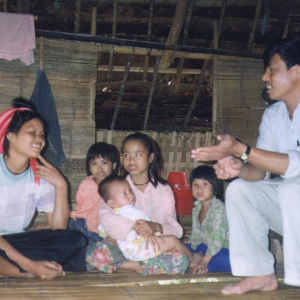
In the late 1990s, Vietnam struggled with economic reform, causing a relocation of resources away from rural health care and social services. As a result, ethnic minorities and women and children in mountainous northern provinces suffered disproportionately from preventable diseases and poor maternal and reproductive health. The remote location, lack of information, and poor transportation made it difficult for these communities to access healthcare. To receive medical treatment, villagers sometimes had to walk up to four hours to reach the nearest health center. In addition, village health workers often lacked the necessary medical knowledge and equipment to provide adequate care. In 1999, only 49% of births in the region were attended by a trained midwife – the majority of births occurred at home without professional assistance.
To address this, HealthRight, in partnership with Médecins du Monde France, launched a three-year maternal and child health project in the Mai Châu District. At the time, the Mai Châu District had a population of 47,000, and more than 70% were ethnic minorities. The rates of respiratory and gastrointestinal infections were far larger than the national average and in more remote areas of the District, more than half the children under five suffered from malnutrition. The focus of the program was community-based health care access, disease prevention, and maternity and infant health.
In 2000, HealthRight opened a field office and hired local and international staff to run the project. Staff members identified ten communities for project intervention, and assessed the needs of the residents. Through this, they were able to develop services to improve the clinical skills of village health workers and recruit more women and minorities into the health system.
Among those impacted by HealthRight’s work was Vang A. Giong, a 27-year-old Hmong man. Siding with the United States during the Vietnam War increased the discrimination against the Hmong people, giving them little access to healthcare. Giong attended a three-month training course and was able to take his knowledge back to his hometown, where he taught mothers to prevent common childhood diseases, counseled pregnant women to undergo examinations, provided first aid services, and mobilized villagers to participate in national health programs for better family planning and nutrition. In this way, Giong was prepared to help his community begin to reverse the discrimination that has wreaked havoc on their lives for decades. He helped build a healthier future for the Hmong.
In total, this program improved the health and lives of approximately 16,000 women and children in rural communities in Mai Châu.

South Africa
In 1999, South Africa was undergoing a healthcare crisis as simultaneous HIV/AIDS and tuberculosis (TB) epidemics spread. Approximately 4.2 million South Africans were infected with HIV – more than ten percent of the nation’s population. At the time, 40 to 50% of all patients infected with TB were thought to be co-infected with HIV in South Africa, and TB was the leading cause of death in AIDS patients. Under apartheid, South African public health services were largely reserved for white populations, so the post-apartheid government was tasked with expanding the healthcare system to serve the entire South African population, many of whom had been historically neglected. The TB and AIDS epidemic quickly exacerbated the available resources and left many people unable to receive treatment.
To respond to the strain on the health system, HealthRight partnered with the South Africa-based agency, Tuberculosis Alliance DOTS Support Association (TADSA), to help the South African National Tuberculosis Control Program provide TB treatment at the community level. HealthRight’s goal was to assist TADSA in expanding their success in facilitating training of community-based TB treatment supporters and increasing their services for TB/HIV co-infected people.
During the first seven months of 1999 alone, TADSA conducted workshops for 84 treatment facilitators, 113 trainers of treatment supporters, and 133 TB treatment supporters. Community-based health workers who were supervised by HealthRight/TADSA’s trainers treated over 2000 people in 1999.
One training participant commented “I think the course will make a difference as now I am equipped with knowledge and skills on how to conduct TB training of treatment supporters thus increasing the cure rate which is very low in our region.”
Kosovo War
In early 1998, rising tensions between the Federal Republic of Yugoslavia and the Kosovo Liberation Army took a turn for the worse as the Kosovo War began. During this time, Kosovar Albanians faced extreme discrimination and many were displaced from their homes, causing them to lose their jobs and access to health services. The violence of 1998-99 intensified Kosovo’s healthcare and human rights crisis, making HealthRight’s work in the region more important than ever.
Since 1992, HealthRight has addressed critical gaps in health care – providing direct medical services to all Kosovars, regardless of ethnic background, reaching over 250,000 children with basic immunizations, and strengthening the overall health care infrastructure through training, health strategy planning, and provision of equipment and supplies.
During the armed conflict of 1998-99, HealthRight implemented three emergency relief projects in Macedonia and Kosovo that brought food and medical assistance to over 150,000 refugees and internally displaced persons. Within days of the signing of the peace accords, HealthRight returned to Kosovo and commenced a program to rebuild the maternal health care infrastructure. HealthRight also developed three long-term projects to serve the Kosovar population – the De-institutionalization of Kosovar Children Project, the Health Promotion Project, and the Tuberculosis Control Project.
Recognizing the insecurity felt by many ethnic minorities in the post-war Kosovo, HealthRight worked hard to include Serbs and Roma in its programs, and to develop programs targeting these groups. One of the most successful of these programs was a reproductive health education program directed at the Roma community, which addressed some of the needs of the most excluded ethnic group in all of Europe.

Dr. Victoria Sharp
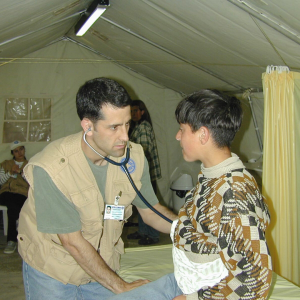
In 1997, when Dr. Victoria Sharp was appointed Director of the Center for Comprehensive Care at St. Luke’s Roosevelt Hospital in New York, she had already been with HealthRight for four years.
Vicki first contacted HealthRight when she heard about the Haitian refugee crisis in 1993, to see how she could assist the detainees, and was crucial in the organization’s push to bring these refugees to safety.
Aside from working with the HIV-positive Haitian refugees in Guantanamo Bay, Vicki’s earliest days at HealthRight were devoted to TB-affected Albanians living in Kosovo and building health systems for indigenous communities in Chiapas, Mexico. She also served on overseas assignments to Macedonia to assist refugees from Kosovo; to Russia to further investigate problems of at-risk youth; to Thailand to provide health care to Burmese refugees; and to Kenya to help establish a comprehensive HIV clinic.
Vicki became the Chair of HealthRight’s Board of Directors in 1995 and then served as President from 2002 until 2015. When she finally stepped down from the Board in 2018, after 25 years of service, she was HealthRight’s oldest and most dedicated supporter. Today, Vicki sees herself as the “historian” of HealthRight, having been a part of the organization from the very beginning. This September 2020, at the annual Health and Human Rights Awards, she will join HealthRight’s Emeritus Board in recognition of her services to the organization.
You can find a 2018 interview with Vicki Sharp here.
Kosovo
In the heart of the Balkans, in the southern portion of former Yugoslavia, lay one of the most underdeveloped regions in Europe. At the time, Kosovo had the fastest growing population and highest infant mortality rate in Europe. It also had one of the highest rates of infectious diseases in Europe, particularly tuberculosis (TB), with an incidence of 77 per 100,000 people (compared to 46.5 per 100,000 in New York City at the height of its epidemic in 1992). The ongoing mistrust of the official health system and worsening ethnic tensions made access to healthcare for TB difficult.
HealthRight sent its first volunteer doctors to Kosovo to vaccinate children against polio in 1992, remaining for years to undertake an extensive anti-tuberculosis program, provide essential care to mothers and infants, and promote public health education. As a prominent non-governmental organization addressing TB in Kosovo, HealthRight took a lead role in cooperation with the World Health Organization in developing a TB control strategy for Kosovo.
By 1996, HealthRight had already been working to combat TB in Kosovo, the number one health problem in the region, for two years. HealthRight worked to upgrade TB diagnostic laboratories, distributed much-needed drugs, and began providing public education on health care and recognizing and treating symptoms of TB. Additionally, HealthRight physicians provided anti-TB care that included screening and drug treatment, provided vaccinations for children, and trained clinicians on the international standards of treatment for TB.
“After two years of work in Kosovo, I see the early signs of progress, gradual improvement in health care accessibility, and movement toward a reconciliation that can bring peace and a healing of bodies and spirit to the hardened and disheartened people of this troubled region.” – Lisa Adams, MD, speaking about the work of HealthRight’s TB Vaccination Team in 1996.


Russia
Thirteen years after the breakup of the Soviet Union, Russia’s social institutions had declined to the point of collapse. As increasing numbers of families slid into unemployment and poverty, the number of children and youths seeking to escape from the accompanying cycles of neglect and abuse grew. Many of these children ended up institutionalized under the permanent custody of the state in orphanages. Far from leading them to better lives, institutionalization set these children on a destructive path. Our research showed that, of the 15,000 teenagers in Russia who were graduated from orphanages in one year, 10% later ended their lives in suicide, 20% lived on the streets, and 33% went to prison.
In 1995, HealthRight had already been operating in Russia for one year, providing critical health services to St. Petersburg’s neglected, runaway, orphaned or abandoned children and adolescents. Always engaged with the local community, we partnered with drop-in centers for street children and youth, children’s shelters, children’s hospitals, and juvenile detention centers.
Our staff of fourteen Russian pediatricians, neurologists, dentists, psychiatrists, psychologists, nurses, social workers and lawyers provided essential health care, legal, and psychosocial services for children and adolescents who lived on the streets or in shelters, and other children and youth at risk. Many of them were victims of physical and sexual abuse, most were physically or emotionally underdeveloped, and many were addicted to the street drugs: cigarettes, toxic inhalants, alcohol, and, increasingly, heroin.
HealthRight developed a sustainable system of services to strengthen families, prevent the abuse and abandonment of children, and offer at-risk children and adolescents long-term, progressive alternatives to institutionalization. We provided training for the network of providers who work with at-risk children and adolescents, supported local partners to develop new models for foster care, family care and social support, provided legal assistance, and advocated for child welfare reform with local government. This work would endure for over a decade before being handed off to local organizations to continue indefinitely.
Chiapas, Mexico
In 1994, HealthRight began supporting the work of the Hospital San Carlos (HSC), in Chiapas, Mexico. Run by the Daughters of Charity of St. Vincent de Paul since 1976, the hospital was the only source of health care for an underserved populations of thousands of rural indigenous people in highland Chiapas.
Indigenous communities in Chiapas had long been marginalized, suffering disproportionately from tuberculosis and other preventable infectious diseases. Most of the patients who came to HSC did not speak Spanish – only their indigenous languages Tzeltal or Tojolabal – while doctors and nurses spoke only Spanish. This communication barrier between patients and providers added to the exclusion and inequality that indigenous patients already faced. The UN and other human rights observers have documented the harmful effect of this scenario on indigenous women all over Central America. In Mexico, for example, indigenous women have been sterilized or given Caesarean sections without explanation or consent. Mexican physicians often claimed that the women could not speak Spanish and thus the procedure could not be explained to them.
To promote the ability of indigenous patients to understand, choose, and consent to medical care, HealthRight and HSC set up an ambitious training program for a group of indigenous women to become nurse auxiliaries. This project was the first in HealthRight’s long history of strengthening local health systems, by training health workers to support their own communities.
The curriculum included physiology, basic nursing techniques, pediatric nursing, maternal and child health, and public health – as well as basic literacy, a particularly pressing need. The program involved indigenous women, ages 15 to 22, who agreed to work for the hospital in exchange for room, board, vocational training, and primary and/or junior high school-level education. At the end of their training, the women received official certificates from the Mexican government, authorizing them to work as auxiliary nurses throughout the country.
Coming from the very same families as the patients of HSC, these young nurses became an essential part of the hospital. Along with the services they provided to others, they were educated and empowered, and are now part of the improvement of their communities’ long-term prospects.
Sor Maite Galvan, the Director of HSC at the time, said, “The nurse-auxiliaries are the right hand of the hospital. In addition to the medical services, they do the translation for the indigenous patients, they know the culture, they provide the bridge between the hospital and the patients. The hospital couldn’t work without them.”


The Human Rights Clinic was founded
Through HealthRight’s work with Haitian refugees who were being detained indefinitely in Guantanamo Bay (see 1992) – documenting the asylum seekers’ trauma and advocating on their behalf – the Human Rights Clinic (HRC) was born. Founded in the Bronx in 1993, the program began as a partnership with the North Central Bronx Hospital and Montefiore Medical Center’s Residency Program in Primary Care and Social Internal Medicine.
The HRC recruits, trains, and deploys a network of volunteer physicians and mental health professionals who provide forensic evaluations, translating scars and symptoms into pivotal evidence for immigrants seeking asylum and other relief in the United States.
The HRC serves immigrants who are survivors of torture and other human rights abuses. In order to be granted the right to remain in the United States, asylum seekers must prove that they have a well-founded fear of persecution if returned to their home country. Through medical and psychological evaluations, HRC volunteers document the clinical sequelae of human rights violations suffered by survivors, thus helping to ensure a fair adjudication of their claims for asylum by enhancing their capacity to present their cases fully.
These evaluations can make the difference between an asylum grant and a denial — over 90% of HRC clients are granted asylum or other relief, compared to the 35% grant rate of asylum seekers nationally. Most recently, 96 percent of HRC clients whose cases were adjudicated in 2019 were granted.
Still active today, the HRC is HealthRight’s longest-running program, continuing to provide essential services to asylum seekers. Nearly 30 years later, the program continues to work closely with Montefiore Medical Center, and numerous other partners across the New York metro area.
Picture: An HRC Clientis receiving physical evaluation for signs of injuries.
Haitian Refugee Crisis and Guantanamo Bay
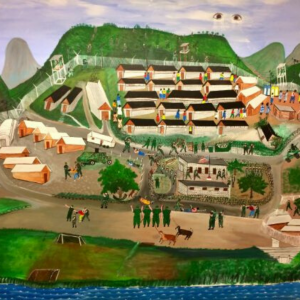
One of HealthRight’s earliest projects came out of the Haitian refugee crisis of the early 90s. Following a coup d’état in Haiti in September 1991, the new military regime began persecuting the former president’s followers and other dissenters, causing thousands to flee Haiti. By February 1992, the US Coast Guard had picked up over 14,000 refugees and detained them in Guantanamo Bay, Cuba.
Beginning in May 1992, most refugees were repatriated to Haiti, while about one third received asylum in the US. However, 270 HIV+ refugees and their family members who had been granted asylum were barred from entering the US because of their HIV status and remained in Guantanamo Bay. “These refugees lived in deplorable conditions, were subjected to violence and repression by the US military, deprived of proper medical care, and left without any legal recourse of rights,” wrote migration scholar Karma Chávez.
Picture: A painting of Haitian refugees detained in a camp in Guantanamo, Cuba.